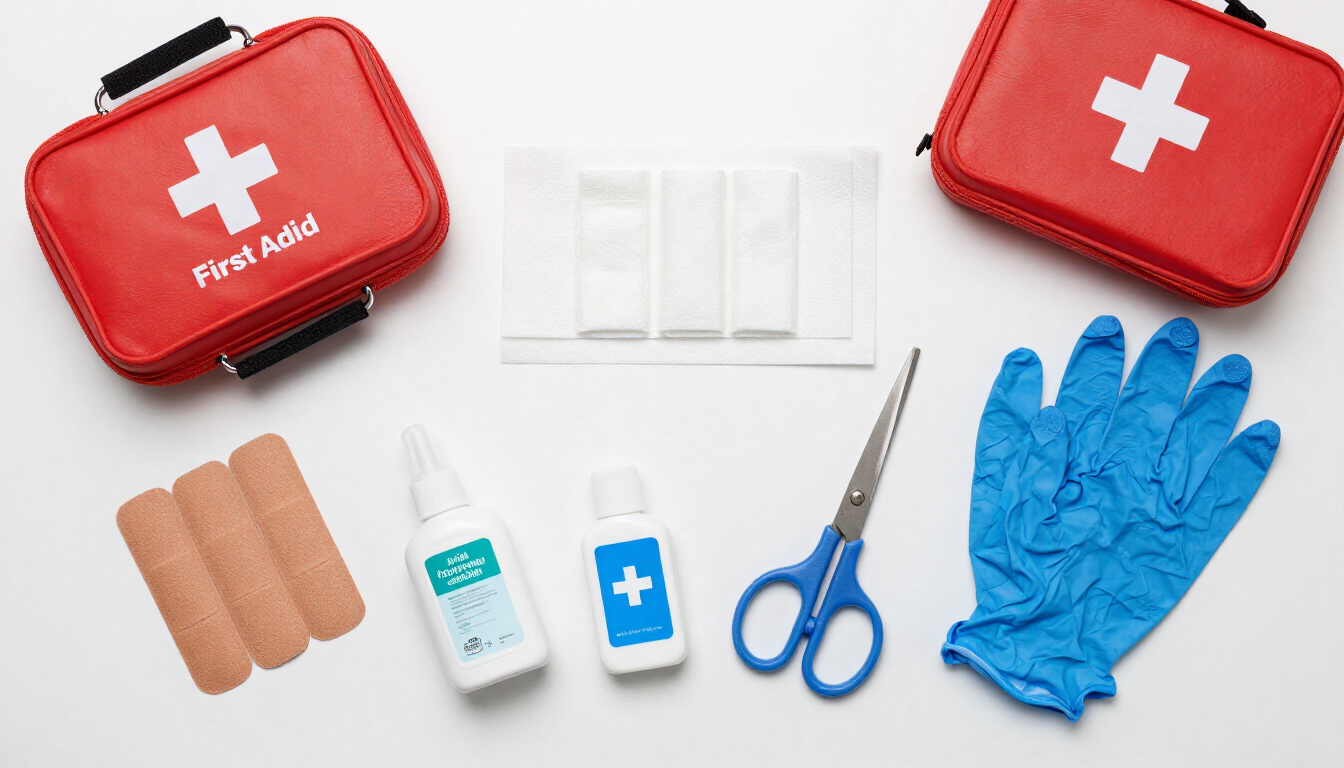
A first aid kit is more than a compliance checkbox — it is the first thing a colleague reaches for when something goes wrong. Under the model Work Health and Safety regulations, Australian workplaces must provide appropriate first aid equipment, and the contents should match the types of injuries likely to occur.
Why Kit Contents Matter
A kit that is missing basics, or full of expired supplies, can delay treatment when seconds count. Regular checks ensure that what you need is actually there and ready to use.
What Every Workplace Kit Should Contain
While exact contents vary by workplace risk profile, a well-equipped low-risk workplace kit typically includes:
Wound Care
Adhesive strips (plasters), sterile gauze swabs, conforming bandages, triangular bandages, wound dressings, and saline for cleaning wounds.
Protection and Hygiene
Disposable gloves, hand sanitiser, scissors, tweezers, and a resuscitation face shield or pocket mask for safe CPR.
Tools and Records
A first aid manual or instruction booklet, a pen and notebook for recording incidents, and a list of emergency phone numbers.
Matching the Kit to Your Workplace
Higher-risk workplaces — construction sites, kitchens, workshops — need additional supplies such as eye wash, burns dressings, tourniquets, or snake bite bandages. Assess your hazards and tailor the kit accordingly.
Keeping Your Kit Ready
A kit is only useful if it is maintained. Assign a responsible person to check stock monthly, replace used or expired items, and keep the kit in a visible, accessible location that everyone knows about.
Pair Your Kit With Trained Staff
A fully stocked kit is only as effective as the people who use it. Accredited first aid training gives your team the confidence to act decisively in an emergency — from controlling bleeding to performing CPR. Equip your people as well as your kit.